
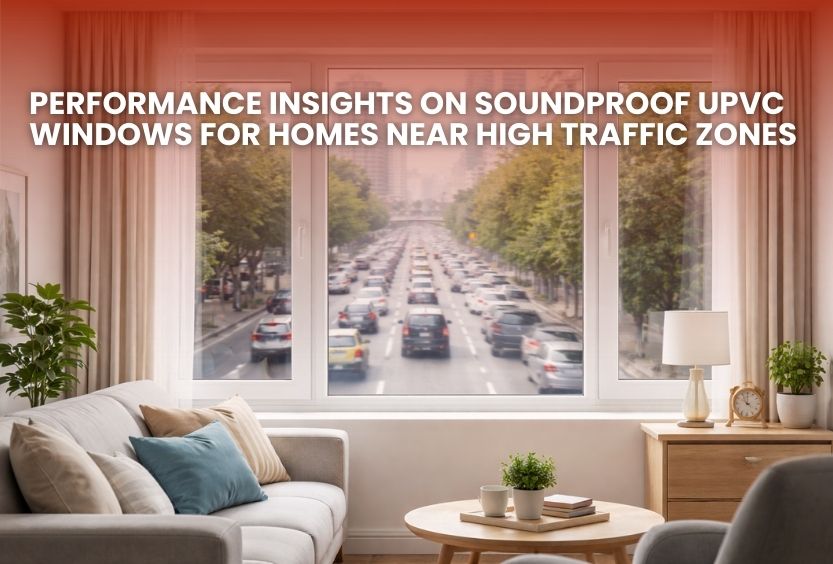
In increasingly urban environments, residential properties located near high traffic zones face persistent noise challenges that can significantly affect comfort, privacy, and overall quality of life. Traditional windows often fail to provide sufficient acoustic insulation, prompting homeowners and builders to explore advanced window solutions. Among these, soundproof uPVC windows stand out as a highly effective option. This blog explores the performance benefits of uPVC windows for homes near busy roads, the key features that drive their acoustic efficiency, and why partnering with a reputable uPVC window manufacturer and uPVC window suppliers is critical for optimal results.
Understanding Noise Pollution in Residential Settings
Noise pollution from traffic, public transportation routes, and commercial activity is more than just a nuisance; it can disrupt sleep, increase stress levels, and interfere with daily activities. For homes adjacent to highways, busy city streets, or commercial corridors, mitigating exterior noise is a priority.
Traditional aluminum or wooden framed windows are limited in their ability to block sound effectively. This limitation has made uPVC windows a preferred alternative due to their superior acoustic and thermal insulation properties.
What Makes uPVC Windows Suitable for High Noise Areas?
Unplasticized Polyvinyl Chloride (uPVC) is a robust, durable material used extensively in modern window and door systems. Its performance characteristics make it particularly suitable for soundproofing applications. Key attributes include:
1. Acoustic Insulation Properties
uPVC frames inherently dampen sound transmission more effectively than metal frames, which can act as conduits for noise. Combined with multi-chamber profiles and specialized glazing, uPVC windows can significantly reduce external noise levels, measured in terms of Sound Transmission Class (STC) ratings.
2. Multi-Layer Glazing Options
One of the most impactful ways to enhance soundproofing is through double or triple glazing. The space between glass panes acts as an acoustic buffer, disrupting and absorbing sound waves before they enter the interior space. When combined with laminated glass, these systems can effectively minimize noise from traffic and street activity.
3. Sealing and Weatherstripping
Proper sealing around the frame is essential for acoustic performance. Quality uPVC windows and doors manufacturers design frames with multiple seals that prevent sound leakage while also improving energy efficiency. Tight seals also prevent dust, rain, and pollutants from entering the living space.
4. Durability and Low Maintenance
Unlike wooden frames that can warp or aluminum frames that conduct sound more readily, uPVC is resistant to moisture, temperature fluctuations, and chemical degradation. This resilience ensures that the acoustic performance remains consistent over time with minimal maintenance.
Quantifying Sound Reduction: What Homeowners Can Expect
The effectiveness of soundproof uPVC windows is often expressed in decibel (dB) reduction. While the exact figures depend on installation quality, glass type, and external noise levels, well-designed uPVC systems can reduce noise transmission by up to 45–50 dB enough to transform a noisy urban interior into a peaceful living space.
For context, a busy urban street can generate noise levels between 70 to 85 dB during peak hours. A reduction of 40+ dB can reduce perceived noise inside a home to below 30–40 dB, which is comparable to a quiet library or residential neighborhood at night.
Choosing the Right uPVC Window Manufacturer and Suppliers
Not all uPVC products deliver the same level of performance. To ensure that your investment in soundproof windows delivers the expected benefits, it is essential to work with reputable uPVC window manufacturers and uPVC window suppliers who offer certified, high-quality products.
Here are key factors to consider:
Technical Specifications
Ensure that the manufacturer provides detailed acoustic performance data, including STC ratings and laboratory test results. This information is crucial for comparing products objectively.
Customization Capabilities
Every home and noise condition is unique. Suppliers that can tailor profile thickness, glazing options, and frame design to specific site conditions will help achieve the best acoustic results.
Installation Expertise
Even the best windows will underperform if installed incorrectly. Choose suppliers that include professional installation services or work with certified installers familiar with soundproofing requirements.
Local Availability and Service
For residents in and around urban hubs like Navi Mumbai, partnering with uPVC windows Navi Mumbai specialists ensures faster delivery, localized support, and compliance with local building standards.
Additional Benefits of uPVC Windows
While soundproofing is a prime consideration, uPVC windows offer several ancillary benefits that enhance overall home performance:
Energy Efficiency
uPVC frames combined with insulated glass reduce heat transfer, lowering cooling and heating costs. This thermal performance contributes to greater comfort and reduced utility bills.
Enhanced Security
Modern uPVC window systems can be equipped with multi-point locking mechanisms, making them a secure choice for residential settings.
Aesthetic Flexibility
Available in a variety of finishes, colors, and configurations, uPVC windows can complement diverse architectural styles from modern apartments to traditional homes.
Installation Considerations for High Traffic Zones
To maximize soundproofing performance, certain installation practices are recommended:
- Frame Integration with Wall Structure: The frame should be integrated seamlessly with the wall to eliminate gaps that can allow noise infiltration.
- Acoustic Caulking: Use of acoustic sealants around frames can further prevent sound leaks.
- Offset Glazing Systems: Some high-performance solutions employ asymmetric glazing thicknesses or staggered panes to disrupt specific frequency bands common in traffic noise.
For homes situated near high traffic zones, investing in soundproof uPVC windows is a strategic decision that enhances acoustic comfort, energy efficiency, security, and property value. By selecting the right window manufacturer and reliable uPVC window suppliers, homeowners can ensure superior performance tailored to their specific environmental challenges. In regions such as Navi Mumbai, where urban density and traffic noise are prevalent, collaborating with experienced uPVC windows Navi Mumbai professionals ensures optimal outcomes.
Soundproofing is not merely a comfort upgrade; it is a long-term enhancement that contributes to healthier, quieter, and more energy-efficient living spaces. With the right products and installation expertise, uPVC windows deliver measurable performance improvements that justify the investment.